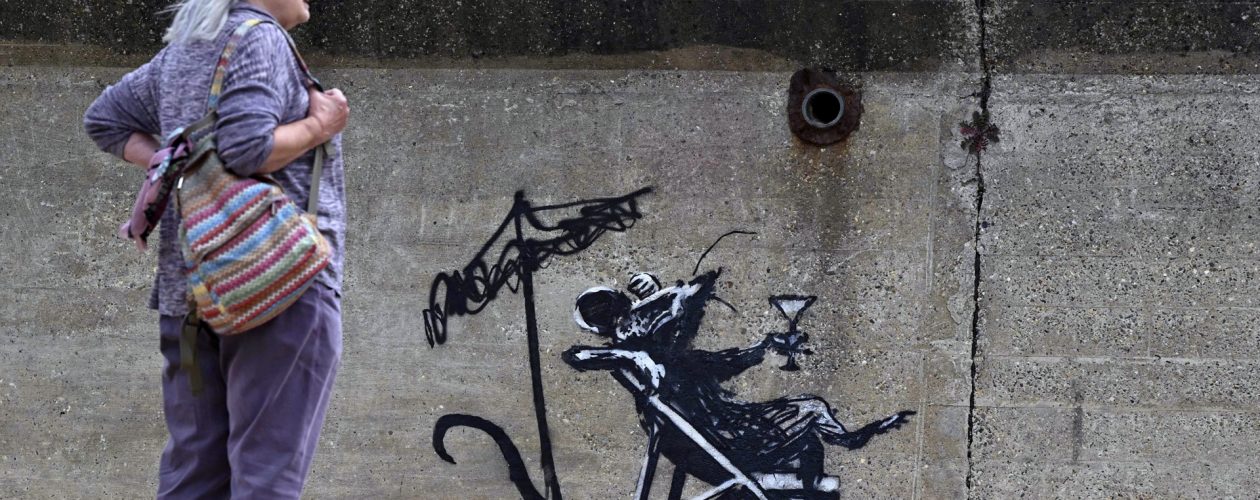
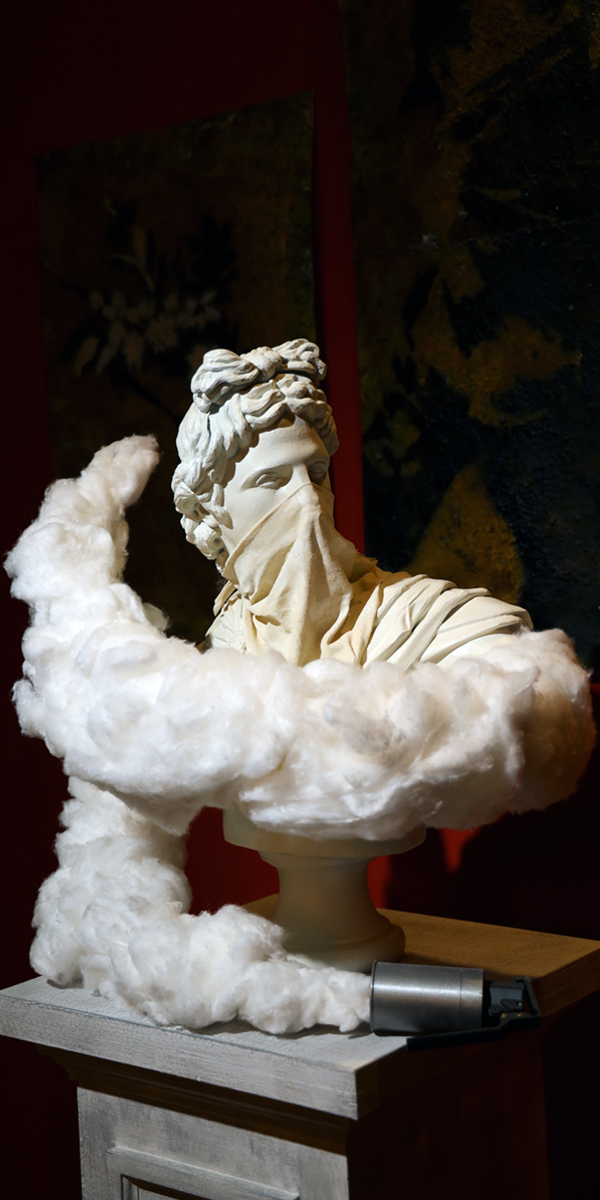
Street art transforms city walls into a canvas, making it an accessible and universal art form.
The technical simplicity of street art, often using black and white tones, allows viewers to easily connect with the works. This art form doesn’t require knowledge of art history, making it direct and heartfelt enough to stir emotions in anyone. Street art emerges unexpectedly in daily life, adding novelty and energy to monotonous routines. By turning public spaces into a platform for expression, street art democratizes art.
Banksy, one of the most iconic artists, combines street art’s universal accessibility with a powerful tool for protest and critique. His approach deepens the spirit of street art, transforming city walls into a space of resistance. Banksy’s works don’t just offer an aesthetic experience, they also invite viewers to reflect on societal issues and question authority.
Street art, by its nature, is rebellious and rule-breaking. It takes art out of the elite museum setting and brings it to the public by using the city’s public spaces.
Banksy takes street art a step further, using it as a vehicle for protest. His works are understandable to everyone, regardless of art knowledge. They critique issues like war, capitalism, the surveillance society, and authority. For Banksy, city walls are more than a canvas, they’re a space for a manifesto.
Banksy’s decision to remain anonymous aligns with the spirit of street art. Anonymity reduces the risk of getting caught while adding a mysterious allure to his works. When viewers encounter a Banksy piece, they experience not only the art but also a curiosity about the artist’s identity.
Banksy’s street art often carries an ironic and humorous tone. This approach allows him to address serious topics in a thought-provoking way without unsettling the viewer.
This art form is built on anonymity and impermanence; works appear overnight and are sometimes erased or destroyed the next day. Yet this transience enhances street art’s power, creating an instant impact and catching viewers off guard.
Banksy turns the temporary nature of his works into an advantage. Even if a piece is erased the next day, it spreads through photos or social media, leaving a lasting impact. By using public spaces, he turns art into a space for open dialogue.
Banksy’s works are like a manifesto challenging authority, offering societal critiques, and inviting viewers to think through humor. His approach to street art sparks a revolution in city streets; a revolution that starts on walls but continues in minds.